
Why Starting Projects Feels Hard (and How to Make It Easier)
Disclosure: Some links in this post are affiliate links. If you purchase through these links, I may earn a small commission at absolutely no extra cost to you.
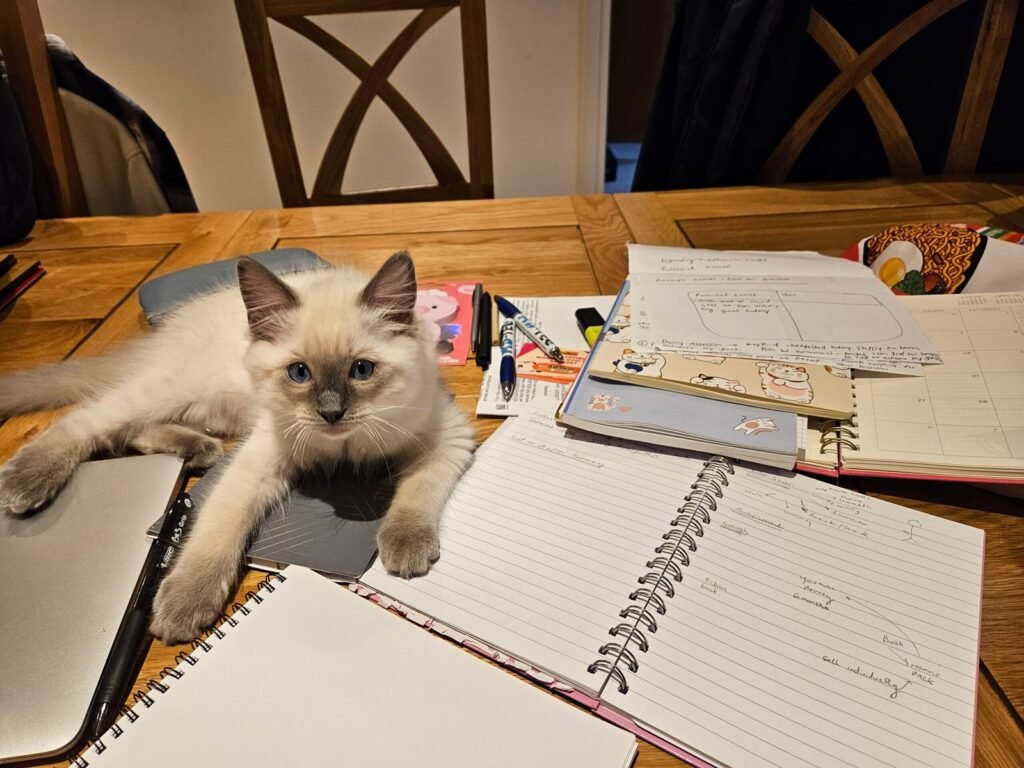
There’s no doubt about it: I’m an expert procrastinator. Even though I genuinely enjoy writing blog posts and working on my website, I often find it surprisingly hard to sit down and get started. Over the last year, I’ve been testing different productivity tips and habits. Some created more effort and quickly became unsustainable, but others have worked well and are still part of my routine today. Through this productivity article series, I’ll be sharing the techniques that have helped me, in the hope that they might help you too.
Barriers to productivity
Being productive isn’t just about willpower. It’s about understanding your own workflow and anticipating where the stumbling blocks are likely to appear. These are points of friction — small obstacles that can put us off a task altogether.
Habit researchers like BJ Fogg and James Clear have popularised the idea that making a behaviour easier is often more effective than trying to boost motivation alone: when friction is low, it takes far less effort to begin. Once you recognise your own patterns, you can put systems in place that pre‑empt and outsmart those tendencies to procrastinate.
For example, I used to sit down to work only to realise I didn’t have my laptop charger. Off I’d go to find it, get distracted along the way, and sometimes abandon the original task altogether. Another time it might be my headphones, my notebook, or even just a glass of water. Each small interruption created just enough friction to break focus and waste valuable time.
What is a focus kit?
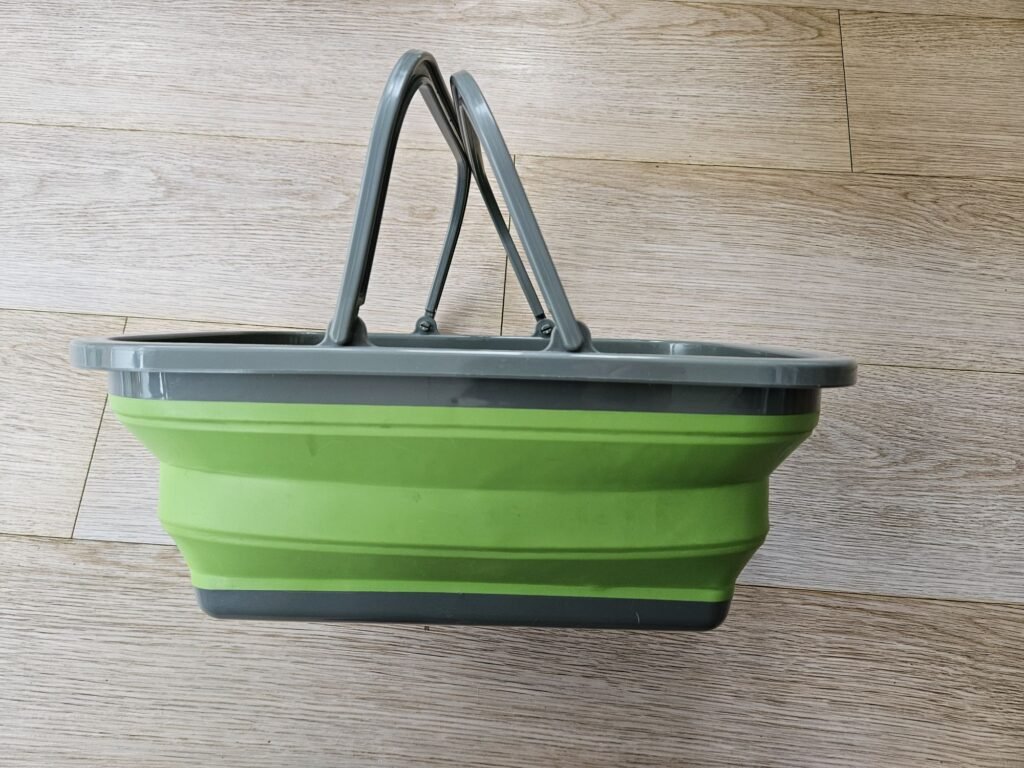
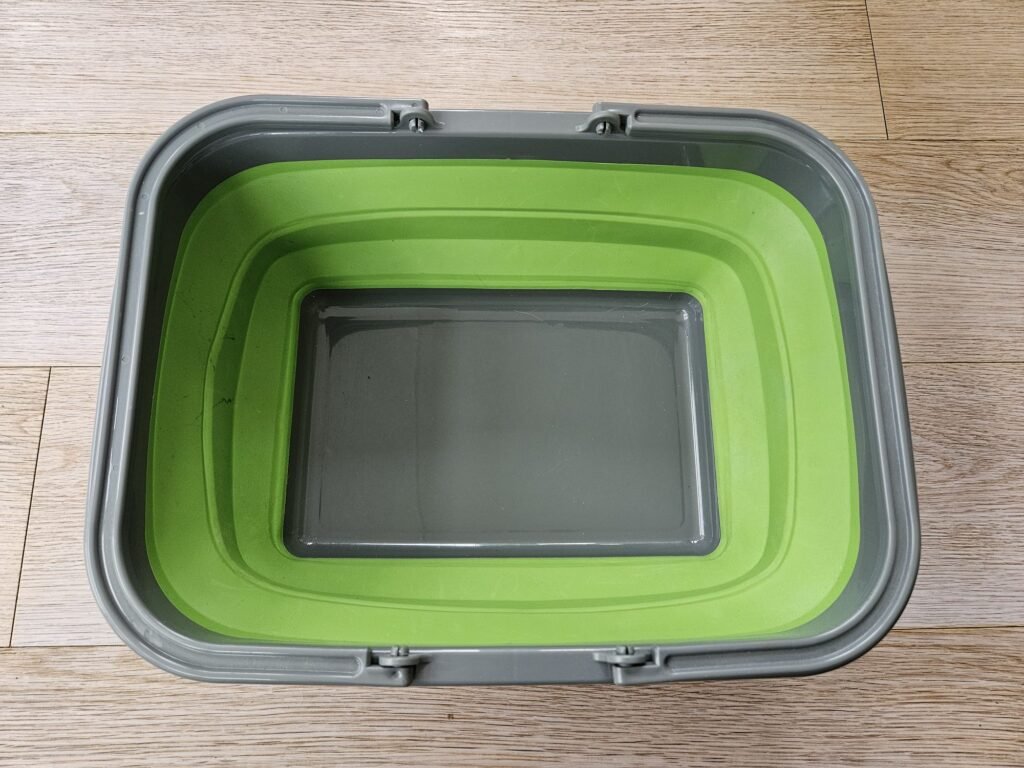
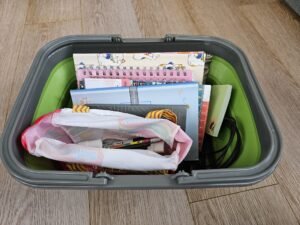
A focus kit is a portable container that holds everything you need to work efficiently on your current projects. It doesn’t have to be fancy. A box, tote bag, or even a cleaning basket from Aldi (like mine) works perfectly well. There’s no need to buy anything special to set this up; in fact, waiting to find the “perfect” container or tools is often just another subtle form of procrastination. Start with what you already have, something that’s portable and easy to grab. You can always upgrade to something fancier down the line if you find the technique helpful.
The idea is simple: when you take out your focus kit, it becomes a clear signal that it’s time to work. No more wandering around the house looking for missing items. Everything you need is already in one place.
What goes in the kit?
This is highly individual and will depend on both how you work and what you’re working on. When I’m doing computer-based work, my focus kit typically contains:
- Power bank and charging cables
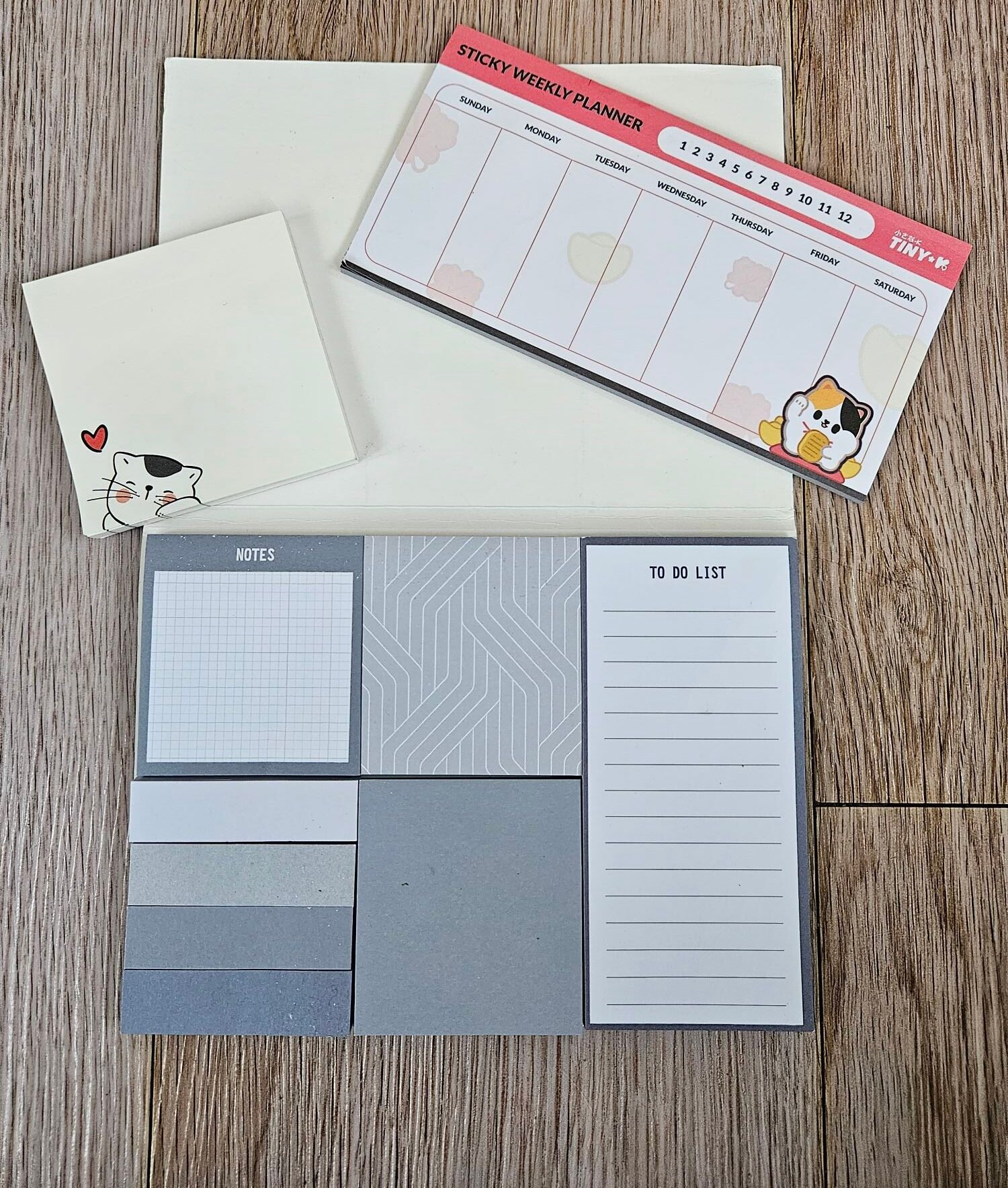
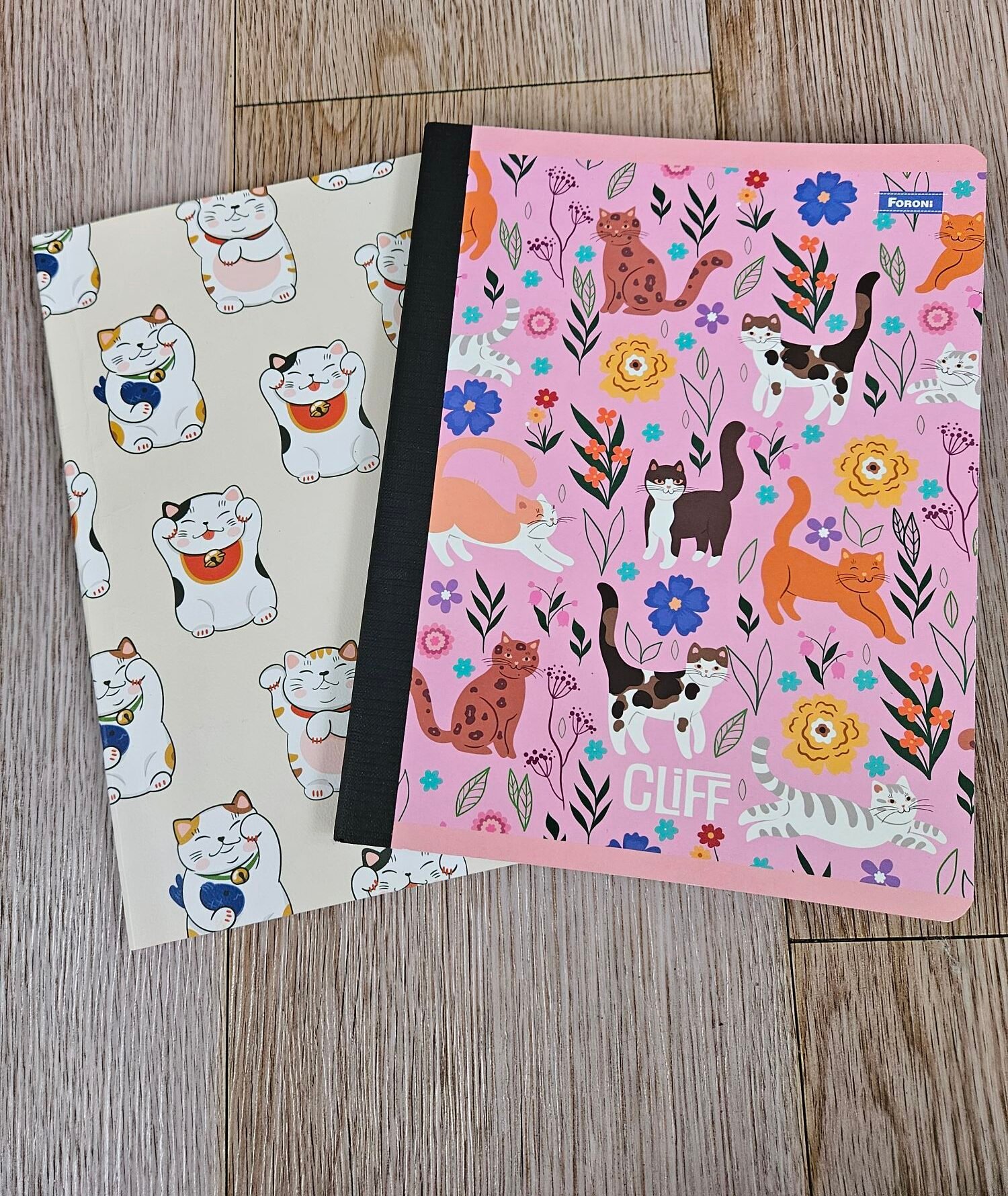
- Notebook with pens and highlighters (in my case, a disproportionate number of cat notebooks!)
- Headphones
- Current reading or research materials
- Snacks and a water bottle
There’s nothing revolutionary here, but having these items ready means I can sit down and start immediately — without losing momentum or mental energy.
Kit housekeeping tips
Like any system, a focus kit only works if you maintain it. A few simple habits help keep it effective and they do not take up much time:
- Avoid clutter accumulation. Don’t let your kit become a dumping ground; a quick weekly clear-out helps ensure only relevant items remain. It will otherwise get full of rubbish as evidenced by the removal of some ballbearings, kids bubbles and a packet of noodles from my kit this week.
- Tailor it to the task. Your kit should reflect what you’re working on. A crochet project might need yarn, hooks and scissors, while writing work may require chargers, headphones, and notebooks.
- Make it personal. What works for me won’t necessarily work for you. Experiment, refine, and adapt as your projects evolve.
These quick reviews also act as a tiny “reset ritual”, reinforcing the cue that when the kit appears, it’s time to focus.
Why this small habit works
Anything that removes barriers to starting a task improves workflow. A focus kit also works through mental cueing: when the kit comes out, it signals to your brain that focused work is about to begin. This kind of environmental cue is a well-known part of the “habit loop”, where a cue triggers a routine that leads to a reward.
By removing repeated micro-decisions (Where’s my charger? Do I need water? Should I grab my notebook?), you free up cognitive capacity for the work itself. Psychologists describe decision fatigue as the way our ability to make good choices declines after many small decisions, often leading to procrastination or defaulting to the easiest option.
Related productivity boosters
If you like the idea of a focus kit, these small tweaks pair well with it:
- The two-minute rule. If something takes less than two minutes (like filling your water bottle), do it before you sit down. This prevents interruptions later.
- Time-blocking. Pair your kit with a focused work session using a timer, such as the Pomodoro Technique (25 minutes of work followed by a 5-minute break).
- Environmental cues. Alongside your kit, try to use a consistent workspace. Even a small, regular corner of the kitchen table can help your brain switch into work mode more quickly. If you work well to specific music, then putting a certain playlist on can be an effective stimulus to get work started.
All of these approaches share the same principle: make starting as easy and automatic as possible, and let motivation catch up later.
Final thoughts
Procrastination thrives on friction and distraction. A focus kit is a simple but surprisingly effective way to reduce both.
You don’t need to buy anything special — start with a bag, box, or basket you already own, add your essentials, and you’re ready to go. Over time, your kit will naturally evolve alongside your projects and routines.
The important part is making it work for you and using it as a tool to lower the barriers between you and the work you want to get done. This is one example of how I use simple systems to move ideas into action, something I’ll be sharing more of throughout this series.